
A Powerful Reminder Why Scaffolding Safety Can Never Be Assumed
In construction, one moment of complacency can change a life forever.
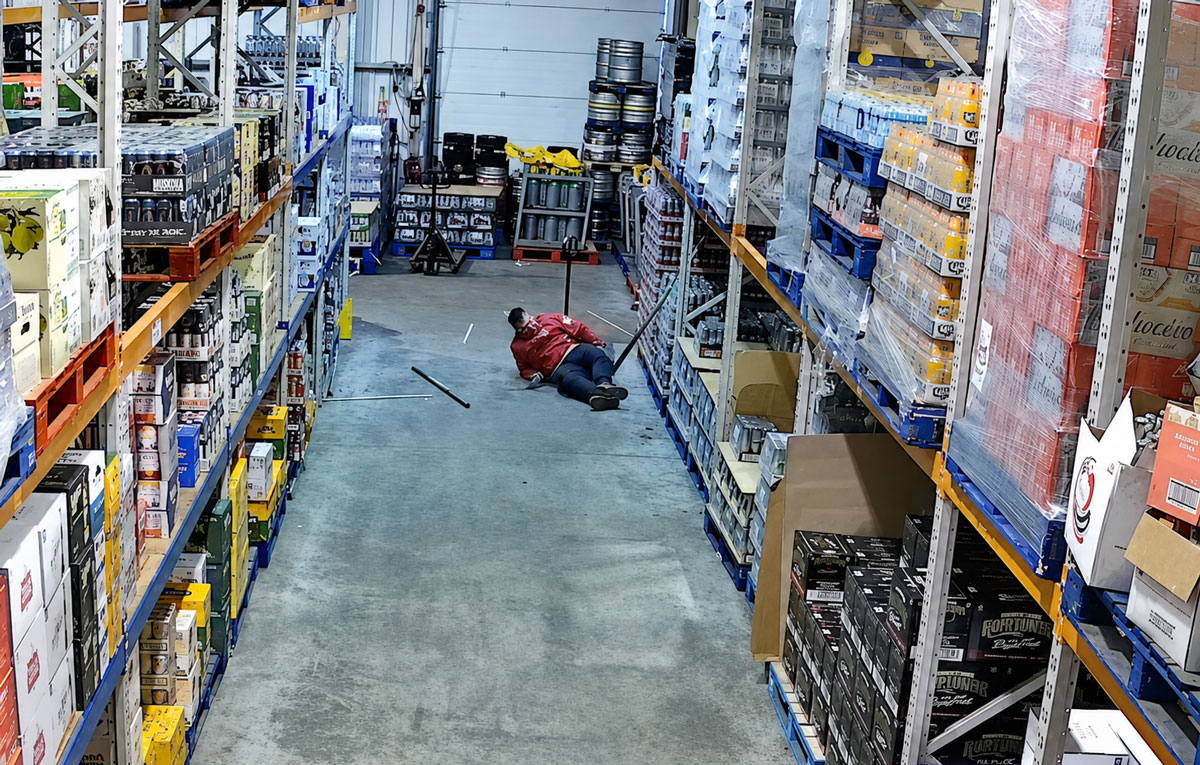
A recent workplace incident involving a scaffolder who fell through a fragile roof skylight serves as a stark reminder of the dangers associated with working at height. The worker survived the fall, but sustained serious injuries that could have been prevented through proper planning, risk assessment, and effective control measures. The incident highlights an important message for everyone in the construction industry: safety must always come before speed, convenience, or routine.
The Hidden Danger of Fragile Roofs
Fragile surfaces are among the most underestimated hazards in construction. Skylights, roof panels, and deteriorated roofing materials may appear strong enough to support a person’s weight when, in reality, they can fail instantly.
Many workers have suffered severe injuries after stepping onto fragile surfaces that were poorly identified or inadequately protected. These risks increase significantly when workers are transporting materials, focusing on their tasks, or working in unfamiliar environments.
Why Planning Matters
Before any work begins on a roof or elevated structure, a comprehensive risk assessment should be conducted. This assessment should identify:
- Fragile roof areas and skylights
- Potential fall hazards
- Safe access and egress routes
- Suitable fall prevention measures
- Emergency rescue arrangements
- Competency requirements for all personnel involved
Effective planning is not a paperwork exercise, it is a lifesaving process.
The Importance of Competence
Competent scaffolders and supervisors understand that working at height requires more than technical ability. It requires awareness, hazard recognition, communication, and strict adherence to safe systems of work.
Training provides workers with the knowledge to:
- Identify fragile surfaces
- Understand hierarchy of control measures
- Follow safe work procedures
- Use fall protection equipment correctly
- Report unsafe conditions before incidents occur
When workers are properly trained, they are better equipped to make safe decisions under pressure.
Key Safety Measures for Work Near Fragile Surfaces
To reduce the risk of falls through roofs and skylights, employers and site management teams should implement:
- Clear Identification of Fragile Areas
All fragile surfaces should be clearly marked and communicated to workers before work begins.
- Physical Protection
Temporary covers, guardrails, safety nets, or working platforms should be installed wherever possible.
- Controlled Access
Restrict access to hazardous roof areas and establish designated walkways.
- Supervision
Competent supervision ensures that safe systems of work are followed consistently.
- Ongoing Training
Regular training and refresher courses help maintain awareness of work-at-height hazards and changing site conditions.
Every Incident Is Preventable
The construction industry has made significant progress in improving safety standards, yet falls from height continue to be one of the leading causes of serious injuries and fatalities worldwide.
Every incident should be treated as a learning opportunity. By understanding what went wrong and applying those lessons on our own projects, we can help prevent similar events from occurring in the future.
Simian International’s Commitment to Safety
At Simian International, we believe that competence saves lives. Through internationally recognised scaffolding and work-at-height training programmes, we help develop skilled professionals who understand not only how to build scaffolds safely, but also how to recognise and manage the risks associated with working at height.
Safety is not achieved by luck. It is achieved through planning, training, supervision, and a commitment to doing things the right way every time.
Because when it comes to working at height, every step matters.